
Tag Archives: #DigitalTransformation

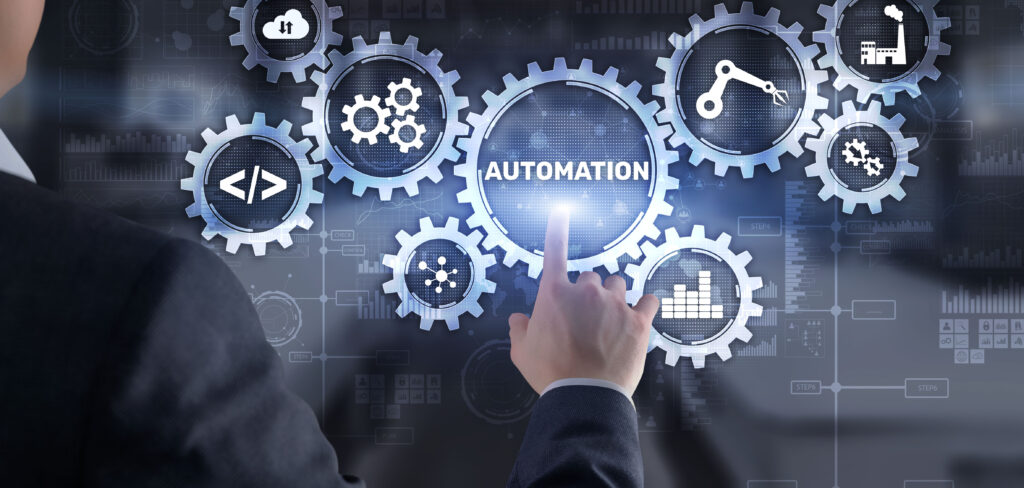
Workflow Automation for Operational Excellence

Workflow automation is a critical enabler of operational excellence in modern organizations. By automating repetitive tasks, standardizing business processes, integrating systems, and providing real-time visibility, organizations can significantly improve efficiency, productivity, and business performance.

As digital transformation continues to accelerate, workflow automation will play an increasingly important role in helping businesses optimize operations, reduce costs, and create more agile and scalable organizations capable of adapting to changing market demands.


Enterprise Application Security Best Practices

Enterprise application security is no longer optional—it is a fundamental requirement for protecting business operations, customer information, and organizational reputation. As applications become increasingly connected, cloud-based, and data-driven, organizations must adopt comprehensive security strategies that address identity management, data protection, API security, compliance, monitoring, and incident response.

By embedding security throughout the application lifecycle and continuously adapting to emerging threats, businesses can build secure, reliable, and future-ready enterprise platforms capable of supporting long-term growth and digital transformation.

Integrating ERP, CRM, and Business Systems Effectively

Integrating ERP, CRM, and business systems is essential for organizations seeking to eliminate data silos, improve operational efficiency, and enable data-driven decision-making. By creating a unified environment where information flows seamlessly across departments and applications, businesses can improve productivity, enhance customer experiences, and respond more effectively to changing market demands.

As digital transformation continues to accelerate, effective system integration will remain a key driver of business agility, operational excellence, and sustainable growth.

Enterprise Software Development: Key Success Factors

Successful enterprise software development requires a balance of business understanding, technical expertise, user experience design, security, scalability, and continuous improvement. While technology provides the foundation, long-term success ultimately depends on how effectively the software supports business objectives and user needs.

Organizations that prioritize strategic planning, strong architecture, integration, security, and user adoption are better positioned to deliver enterprise applications that drive operational excellence, support growth, and create lasting business value.

Modernizing Legacy Enterprise Applications

Legacy applications remain valuable business assets, but they must evolve to meet modern operational, security, and scalability requirements. Application modernization provides a structured path for transforming aging systems into flexible, cloud-ready, and future-proof platforms capable of supporting ongoing business growth.

By adopting the right modernization strategy and leveraging modern technologies, organizations can unlock greater value from their applications while reducing operational complexity and accelerating digital transformation initiatives.

SaaS Security Best Practices for Modern Platforms

SaaS security is a fundamental requirement for modern cloud platforms. As applications become more connected, data-driven, and globally accessible, organizations must implement comprehensive security strategies that protect users, data, infrastructure, and business operations.

By adopting security-by-design principles, implementing strong access controls, securing APIs, encrypting sensitive information, and continuously monitoring for threats, SaaS providers can build secure, trustworthy, and scalable platforms capable of supporting long-term business growth and customer success.

Scaling SaaS Applications for Growing User Bases

Scaling SaaS applications requires a combination of strong architecture, cloud-native infrastructure, efficient data management, security, automation, and operational visibility. As user bases grow, organizations must ensure that their platforms can handle increased demand without sacrificing performance, reliability, or customer experience.

By designing for scalability from the beginning and continuously optimizing infrastructure and application performance, SaaS businesses can support sustainable growth, improve customer satisfaction, and create a strong foundation for long-term success in an increasingly competitive digital marketplace.

Subscription Management and Billing Models in SaaS

Subscription management and billing are fundamental components of every successful SaaS business. Beyond simply collecting payments, modern subscription systems support customer lifecycle management, flexible pricing strategies, revenue optimization, and long-term business growth.

As SaaS platforms continue to expand across industries, organizations that invest in scalable, secure, and automated subscription management solutions will be better positioned to deliver exceptional customer experiences while maximizing recurring revenue and operational efficiency.

Designing Multi-Tenant SaaS Architectures

Designing a multi-tenant SaaS architecture requires balancing shared infrastructure with strong tenant isolation, scalability, security, customization, and operational control. A successful platform must protect each tenant’s data while allowing the business to scale efficiently and deliver continuous improvements.

As SaaS adoption continues to grow, multi-tenant architecture remains a key enabler for building reliable, cost-effective, and future-ready cloud platforms. With the right design approach, businesses can deliver secure and scalable SaaS experiences that support long-term growth and customer success.

What Makes a Successful SaaS Product?

A successful SaaS product is the result of thoughtful planning, strong technical architecture, customer-focused design, and continuous innovation. While technology plays a crucial role, long-term success ultimately depends on the product’s ability to solve meaningful business problems, deliver measurable value, and adapt to evolving customer needs.

As businesses increasingly adopt cloud-based software solutions, organizations that focus on scalability, security, usability, and customer success will be best positioned to build SaaS platforms that drive growth, retention, and lasting competitive advantage.