
Tag Archives: #ElectronicsDesign

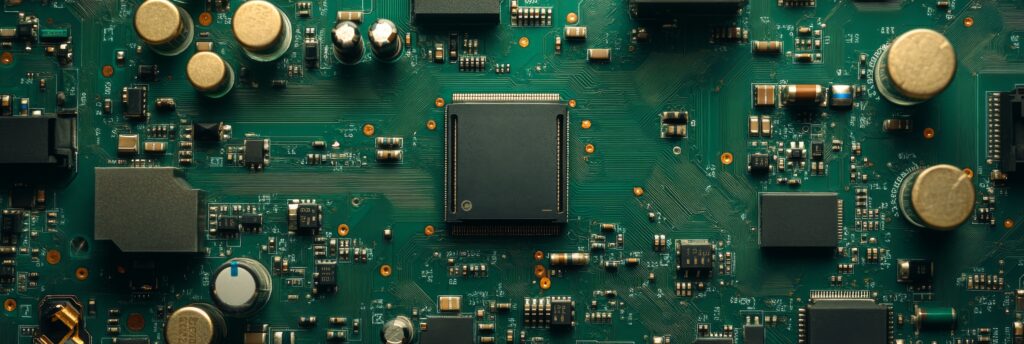
Design for Manufacturing (DFM): Reducing Cost and Improving Reliability

Design for Manufacturing is a critical element of successful product development. By incorporating manufacturing, assembly, testing, compliance, and reliability considerations from the earliest design stages, organizations can significantly reduce costs while improving product quality and production efficiency.

As electronic products continue to grow in complexity, DFM serves as a bridge between engineering innovation and manufacturing success. Products designed with manufacturability in mind are more likely to achieve reliable performance, efficient production, and long-term market success.

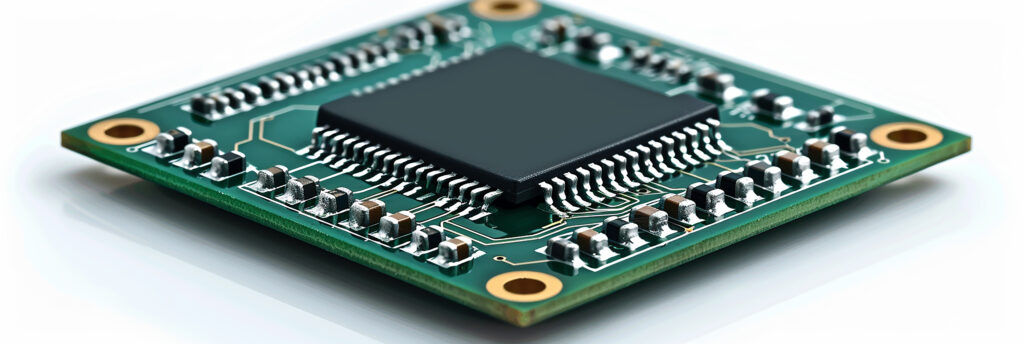
Understanding EMI/EMC Compliance in Electronic Product Design

EMI and EMC compliance are essential aspects of modern electronic product development. As devices become increasingly connected and operate in electrically noisy environments, ensuring electromagnetic compatibility is critical for reliable operation and successful market deployment.

By incorporating EMC considerations into system architecture, PCB design, power management, grounding strategies, shielding techniques, and validation processes, organizations can significantly reduce compliance risks while delivering robust, high-quality electronic products capable of performing reliably in real-world environments.

STM32 Microcontrollers: Accelerating Modern Embedded Product Development

STM32 microcontrollers continue to play a pivotal role in accelerating embedded product development across industries. Their combination of processing capability, integrated peripherals, low-power operation, connectivity options, and mature development tools allows engineering teams to build innovative products faster and more efficiently.

As embedded systems evolve toward greater intelligence, connectivity, and automation, STM32 remains a trusted platform for transforming ideas into reliable, scalable, and future-ready products.

PCB Design: Building the Foundation of Reliable Electronic Products

PCB design is much more than connecting components together—it is a multidisciplinary engineering process that directly influences product quality, reliability, manufacturability, and long-term performance. By incorporating best practices in architecture planning, layout optimization, signal integrity, power management, EMI/EMC design, thermal control, and manufacturing readiness, electronic products can achieve greater reliability while reducing development risks and production challenges.

As products continue to evolve toward greater connectivity and complexity, robust PCB design practices remain essential for delivering dependable, scalable, and production-ready electronic solutions.