Tag Archives: #IndustrialAutomation

Industrial IoT (IIoT): Transforming Manufacturing Operations

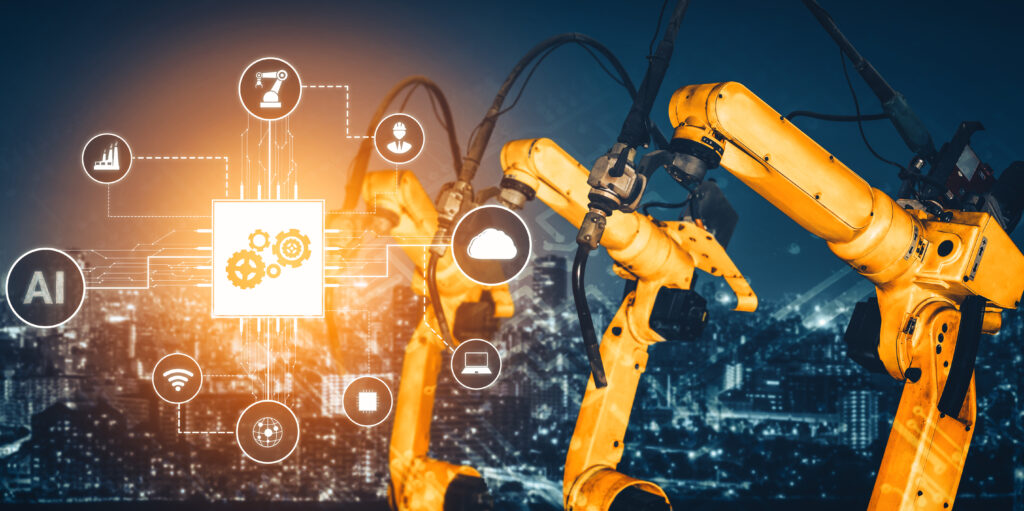
Industrial IoT is transforming manufacturing by connecting machines, processes, and enterprise systems into intelligent, data-driven ecosystems. Through real-time monitoring, predictive maintenance, production optimization, and advanced analytics, IIoT enables organizations to improve efficiency, reliability, and competitiveness.

As Industry 4.0 initiatives continue to evolve, Industrial IoT will remain a key driver of digital transformation, helping manufacturers build smarter, more connected, and future-ready operations capable of meeting the demands of an increasingly dynamic industrial landscape.

Real-Time Monitoring and Predictive Maintenance Using IoT

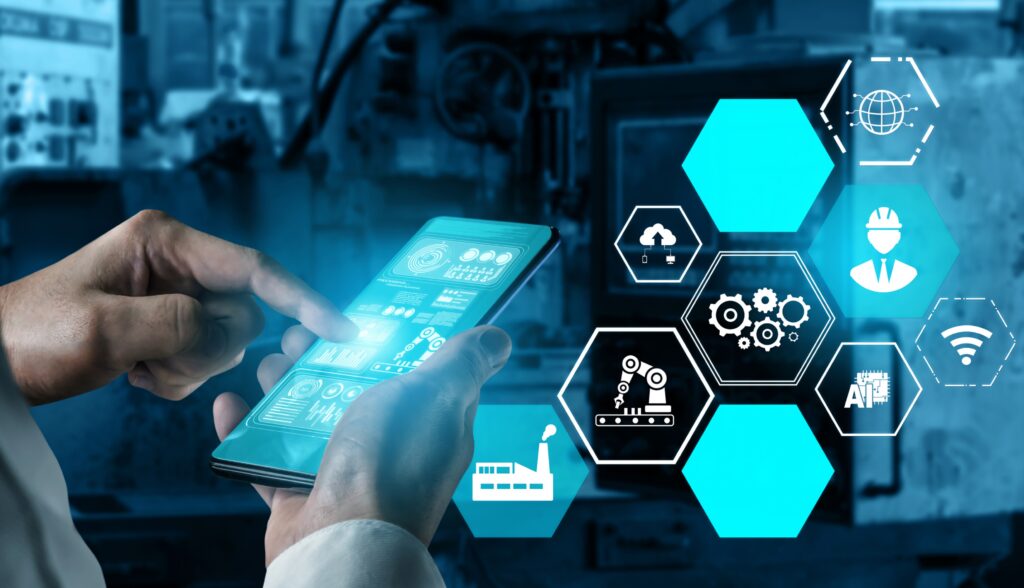
Real-time monitoring and predictive maintenance are transforming how organizations manage critical assets and infrastructure. By leveraging IoT technologies, businesses can move from reactive maintenance approaches to intelligent, data-driven maintenance strategies that improve reliability, reduce costs, and enhance operational performance.

As Industrial IoT adoption continues to grow, predictive maintenance will remain a key driver of digital transformation, helping organizations maximize asset value while ensuring long-term operational success.

Building Scalable IoT Architectures for Industrial Applications

Building scalable Industrial IoT architectures requires a comprehensive approach that balances connectivity, security, data management, edge computing, cloud integration, and lifecycle management. Successful architectures are designed not only to meet current operational requirements but also to support future growth and evolving business needs.

As Industrial IoT adoption continues to accelerate, organizations that invest in scalable and resilient architectures will be better positioned to maximize operational efficiency, improve reliability, and unlock the full value of connected industrial ecosystems.

Design for Manufacturing (DFM): Reducing Cost and Improving Reliability

Design for Manufacturing is a critical element of successful product development. By incorporating manufacturing, assembly, testing, compliance, and reliability considerations from the earliest design stages, organizations can significantly reduce costs while improving product quality and production efficiency.

As electronic products continue to grow in complexity, DFM serves as a bridge between engineering innovation and manufacturing success. Products designed with manufacturability in mind are more likely to achieve reliable performance, efficient production, and long-term market success.

Edge Computing in Embedded Systems: Processing Data Closer to the Source

Edge computing is reshaping the way embedded systems process and utilize data. By bringing intelligence closer to the source, organizations can achieve lower latency, improved reliability, enhanced security, reduced bandwidth consumption, and greater operational efficiency.

As connected products continue to evolve, edge computing will play an increasingly important role in enabling real-time decision-making, intelligent automation, and scalable digital ecosystems. For modern embedded and IoT solutions, processing data closer to the source is no longer just an optimization—it is becoming a fundamental design strategy.

Understanding EMI/EMC Compliance in Electronic Product Design

EMI and EMC compliance are essential aspects of modern electronic product development. As devices become increasingly connected and operate in electrically noisy environments, ensuring electromagnetic compatibility is critical for reliable operation and successful market deployment.

By incorporating EMC considerations into system architecture, PCB design, power management, grounding strategies, shielding techniques, and validation processes, organizations can significantly reduce compliance risks while delivering robust, high-quality electronic products capable of performing reliably in real-world environments.

Firmware Development Lifecycle for Industrial and IoT Devices

Firmware development is far more than writing embedded software—it is a comprehensive engineering process that connects hardware functionality with real-world product requirements. From architecture planning and driver development to security implementation, testing, optimization, and OTA lifecycle management, every phase contributes to product success.

As industrial and IoT systems continue to grow in complexity and connectivity, adopting a structured firmware development lifecycle becomes essential for delivering reliable, secure, and future-ready embedded products.

Designing Production-Ready Embedded Systems: From Prototype to Manufacturing

Designing a production-ready embedded system is a multidisciplinary effort that extends far beyond building a functional prototype. Success depends on integrating reliability engineering, firmware scalability, manufacturing readiness, compliance planning, validation testing, and lifecycle management throughout the development process.

By considering production requirements from the earliest design stages, embedded products can move smoothly from concept validation to large-scale manufacturing while achieving the reliability, quality, and performance expected in today’s competitive markets.

Embedded Linux vs RTOS: Choosing the Right Platform for Your Product

The decision between Embedded Linux and RTOS is not about choosing the better operating system—it is about choosing the right platform for the product’s requirements. RTOS excels in deterministic control, efficiency, and real-time responsiveness, while Embedded Linux provides flexibility, scalability, connectivity, and application richness.

A successful embedded product begins with understanding its operational requirements, performance expectations, connectivity needs, and long-term scalability goals. Selecting the appropriate operating system at the beginning of development can significantly reduce risk, improve reliability, and accelerate time-to-market.

STM32 Microcontrollers: Accelerating Modern Embedded Product Development

STM32 microcontrollers continue to play a pivotal role in accelerating embedded product development across industries. Their combination of processing capability, integrated peripherals, low-power operation, connectivity options, and mature development tools allows engineering teams to build innovative products faster and more efficiently.

As embedded systems evolve toward greater intelligence, connectivity, and automation, STM32 remains a trusted platform for transforming ideas into reliable, scalable, and future-ready products.