Tag Archives: #IndustrialIoT

Industrial IoT (IIoT): Transforming Manufacturing Operations

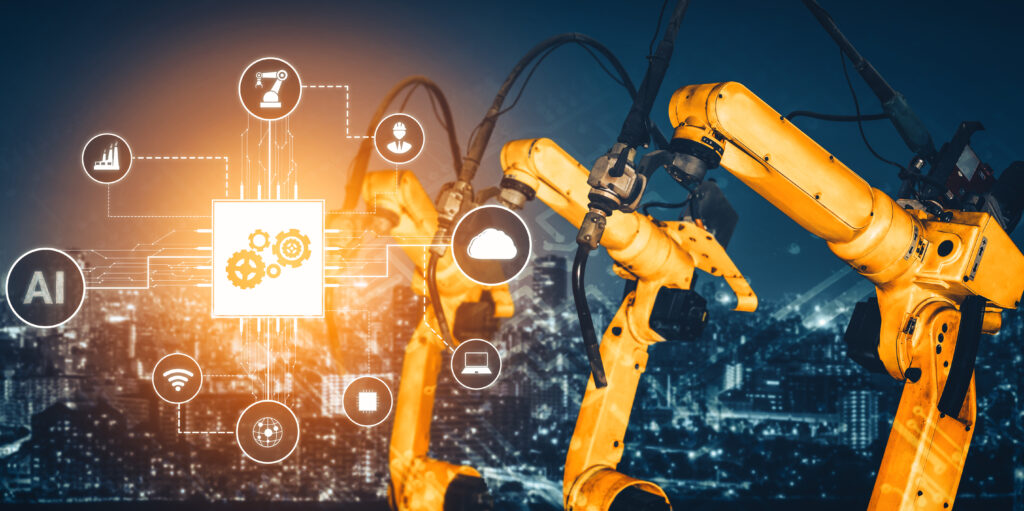
Industrial IoT is transforming manufacturing by connecting machines, processes, and enterprise systems into intelligent, data-driven ecosystems. Through real-time monitoring, predictive maintenance, production optimization, and advanced analytics, IIoT enables organizations to improve efficiency, reliability, and competitiveness.

As Industry 4.0 initiatives continue to evolve, Industrial IoT will remain a key driver of digital transformation, helping manufacturers build smarter, more connected, and future-ready operations capable of meeting the demands of an increasingly dynamic industrial landscape.

Real-Time Monitoring and Predictive Maintenance Using IoT

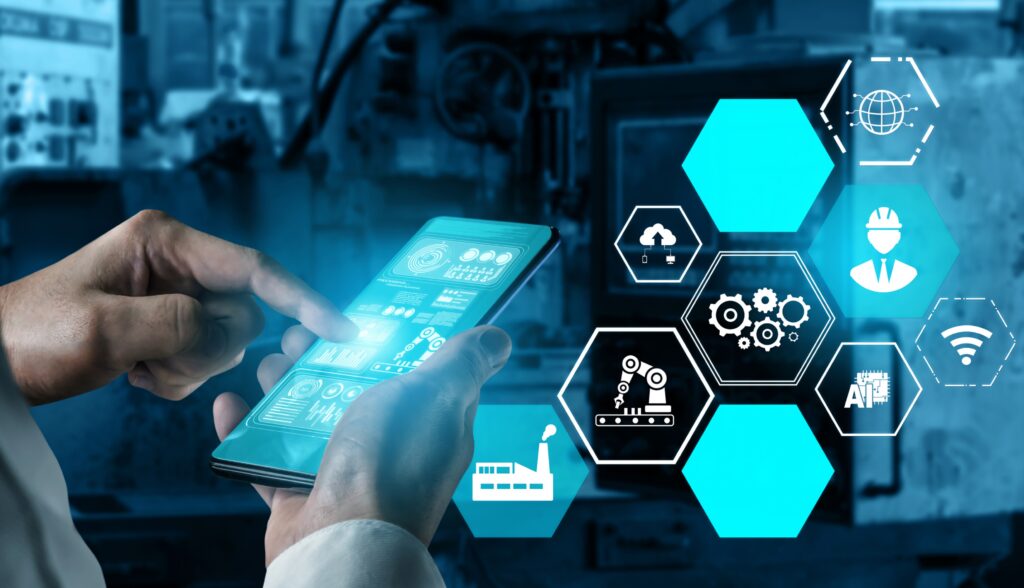
Real-time monitoring and predictive maintenance are transforming how organizations manage critical assets and infrastructure. By leveraging IoT technologies, businesses can move from reactive maintenance approaches to intelligent, data-driven maintenance strategies that improve reliability, reduce costs, and enhance operational performance.

As Industrial IoT adoption continues to grow, predictive maintenance will remain a key driver of digital transformation, helping organizations maximize asset value while ensuring long-term operational success.

Cloud Connectivity for IoT Devices: Challenges and Best Practices

Cloud connectivity is a key enabler of modern IoT solutions, providing the foundation for remote monitoring, analytics, automation, and lifecycle management. However, achieving reliable cloud integration requires careful attention to communication protocols, security, scalability, data management, and operational resilience.

By understanding common challenges and implementing proven best practices, organizations can build secure, scalable, and high-performing IoT ecosystems capable of supporting long-term business growth and digital transformation initiatives.

Building Scalable IoT Architectures for Industrial Applications

Building scalable Industrial IoT architectures requires a comprehensive approach that balances connectivity, security, data management, edge computing, cloud integration, and lifecycle management. Successful architectures are designed not only to meet current operational requirements but also to support future growth and evolving business needs.

As Industrial IoT adoption continues to accelerate, organizations that invest in scalable and resilient architectures will be better positioned to maximize operational efficiency, improve reliability, and unlock the full value of connected industrial ecosystems.

What Makes a Successful IoT Product? Key Design Considerations

A successful IoT product is not defined solely by its connectivity capabilities. It is the result of careful planning across hardware design, firmware architecture, connectivity selection, security implementation, cloud integration, power management, scalability, and user experience.

Organizations that approach IoT development with a holistic product strategy are better positioned to deliver reliable, secure, and future-ready solutions that provide measurable value to users and businesses alike. As IoT adoption continues to accelerate across industries, thoughtful design considerations remain the key to building products that stand the test of time.

Wireless Communication Technologies for IoT Devices: Wi-Fi, BLE, LoRa, and Cellular

Wireless communication technologies play a fundamental role in enabling connected products and intelligent IoT ecosystems. Wi-Fi, BLE, LoRa, and Cellular each offer unique advantages depending on application requirements, deployment environments, power constraints, and scalability goals.

By understanding the capabilities and trade-offs of each technology, organizations can make informed design decisions and build reliable, secure, and future-ready IoT solutions. Selecting the right communication technology is not only a technical choice but also a strategic decision that directly impacts product performance, operational efficiency, and long-term business success.

Edge Computing in Embedded Systems: Processing Data Closer to the Source

Edge computing is reshaping the way embedded systems process and utilize data. By bringing intelligence closer to the source, organizations can achieve lower latency, improved reliability, enhanced security, reduced bandwidth consumption, and greater operational efficiency.

As connected products continue to evolve, edge computing will play an increasingly important role in enabling real-time decision-making, intelligent automation, and scalable digital ecosystems. For modern embedded and IoT solutions, processing data closer to the source is no longer just an optimization—it is becoming a fundamental design strategy.

Firmware Development Lifecycle for Industrial and IoT Devices

Firmware development is far more than writing embedded software—it is a comprehensive engineering process that connects hardware functionality with real-world product requirements. From architecture planning and driver development to security implementation, testing, optimization, and OTA lifecycle management, every phase contributes to product success.

As industrial and IoT systems continue to grow in complexity and connectivity, adopting a structured firmware development lifecycle becomes essential for delivering reliable, secure, and future-ready embedded products.

IoT Device Security: Protecting Connected Products from Cyber Threats

As IoT adoption continues to accelerate, cybersecurity remains one of the most important considerations in connected product development. Protecting devices, communications, data, and infrastructure requires a comprehensive security strategy that spans hardware, firmware, networking, cloud integration, and lifecycle management.

Organizations that embrace security-by-design principles and implement robust protection mechanisms early in the development process are better positioned to deliver reliable, trustworthy, and future-ready IoT solutions capable of operating securely in an increasingly connected world.